20 Quick High Protein Lunches for Busy Professionals
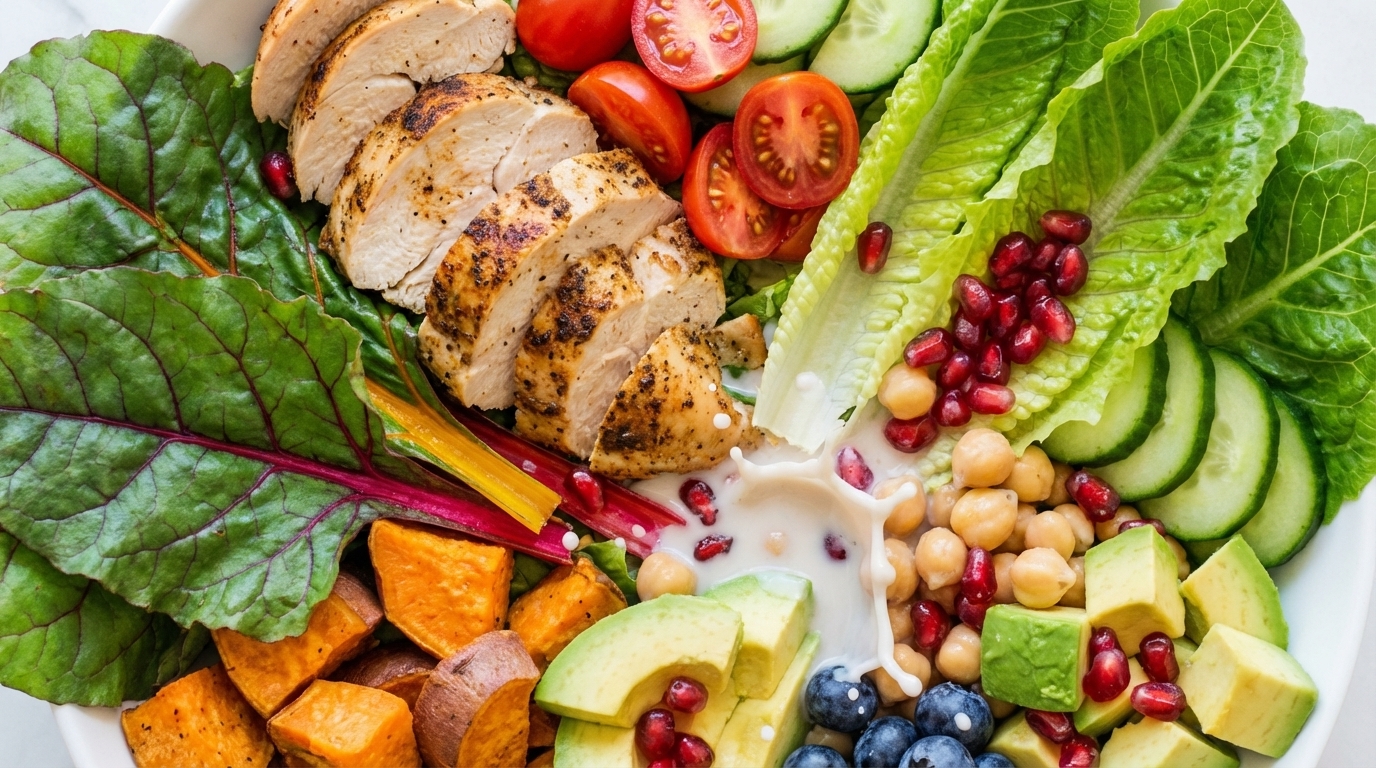
Written by: Marc Howland, Co-Founder and CEO, Breadless
Key Takeaways for Busy Workdays
- High-protein lunches with 30g or more protein help prevent the 2:30 PM energy crash by stabilizing blood sugar, as supported by the 2026 Dietary Guidelines.
- Low-glycemic supergreens paired with proteins and fats slow digestion and support steady focus without afternoon slumps.
- These 20 recipes, including Tuna Avocado Salad (35g protein, 5 minutes) and Dill Pickle Chicken Salad (41g protein), stay portable and come together in under 10 minutes.
- Simple meal prep habits like Sunday batch cooking and mason jar salads keep your protein intake consistent during hectic weeks.
- On zero-prep days, grab a Breadless chef-crafted supergreen wrap with 28g+ protein and stay energized through late meetings.
Top 5 Under-5-Minute No-Prep Lunches
1. Tuna Avocado Salad (35g protein, 5 minutes)
Combine 2 cans of tuna in water, 1 diced avocado, lemon juice, olive oil, and black pepper. This portable bowl delivers complete protein and healthy fats for steady energy.
- Calories: 420
- Protein: 35g
- Carbs: 8g
- Net Carbs: 2g
- Fiber: 6g
Hack: Eat straight from the container with a spoon for easy desk-friendly eating.
2. Turkey Roll-Ups (32g protein, 3 minutes)
Real deli smoked turkey roll-ups with cheese, mustard, and pickles provide a no-bread, no-crash portable high-protein lunch. Use 6 oz sliced turkey, 2 oz cheese, mustard, and pickle spears.
- Calories: 380
- Protein: 32g
- Carbs: 4g
- Net Carbs: 3g
- Fiber: 1g
Hack: Roll tightly, secure with toothpicks, and eat one-handed during calls.
3. Greek Yogurt Chicken Salad (38g protein, 4 minutes)
Mix 1 cup plain Greek yogurt with 4 oz rotisserie chicken, diced celery, and seasonings. Full-fat savory Greek yogurt dressed with olive oil and black pepper treats yogurt like food rather than dessert.
- Calories: 350
- Protein: 38g
- Carbs: 12g
- Net Carbs: 11g
- Fiber: 1g
Hack: Prep five servings on Sunday night so you have a ready lunch all week.
4. Canned Salmon Avocado Bowl (40g protein, 5 minutes)
Olive oil-based salmon salad with lemon, capers, and freshly cracked pepper, skipping mayo and adding lemon zest, creates a portable high-protein lunch. Use 2 cans of salmon, 1 avocado, capers, and lemon.
- Calories: 450
- Protein: 40g
- Carbs: 8g
- Net Carbs: 2g
- Fiber: 6g
Hack: Mash salmon directly in the can, stir in avocado, and eat with crackers or lettuce cups.
5. Cottage Cheese Veggie Pack (34g protein, 2 minutes)
Combine 1.5 cups of cottage cheese with cherry tomatoes, cucumber, and everything bagel seasoning. Protein snack packs require 15 minutes prep time to make 5 portable servings with no cooking needed.
- Calories: 320
- Protein: 34g
- Carbs: 15g
- Net Carbs: 12g
- Fiber: 3g
Hack: Pre-portion into mason jars for grab-and-go convenience. On days when even that feels like too much, choose a Breadless Jerk Chicken Wrap for similar protein in a ready-to-eat format.

10 Portable Cold High-Protein Lunches for Work
The first five recipes focus on pure speed. These next ten still stay quick but prioritize portability, cold serving, and office-friendly meals that travel well and do not need reheating.
6. Dill Pickle Chicken Salad (41g protein, 7 minutes)
Dill Pickle Chicken Salad provides 41g of protein in 327 calories, assembles in minutes using canned chicken, Greek yogurt, and dill pickles. It works well for meal prep and tastes great cold.
- Calories: 327
- Protein: 41g
- Carbs: 8g
- Net Carbs: 6g
- Fiber: 2g
Hack: Serve in lettuce cups or with crackers. Store several portions in the fridge.
7. Buffalo Chicken Lettuce Wraps (36g protein, 6 minutes)
Buffalo Chicken Lettuce Wrap contains 36g protein in 413 calories, featuring shredded chicken in buffalo sauce wrapped in lettuce leaves for a cold, low-carb portable option with no utensils needed.
- Calories: 413
- Protein: 36g
- Carbs: 12g
- Net Carbs: 8g
- Fiber: 4g
Hack: Use butter lettuce for sturdy wraps and pre-shred rotisserie chicken for speed.
8. Egg Salad Supergreen Wraps (33g protein, 8 minutes)
Wrap egg salad made with 6 hard-boiled eggs and Greek yogurt in collard green leaves. Properly seasoned hard-boiled eggs with options like soy sauce plus rice vinegar or olive oil plus lemon create a simple, portable, complete protein lunch that eats cold.
- Calories: 390
- Protein: 33g
- Carbs: 6g
- Net Carbs: 3g
- Fiber: 3g
Hack: Blanch collard greens briefly so they bend easily, then roll tightly and slice.
9. Smoked Salmon Bowl (30g protein, 5 minutes)
Smoked Salmon Bowl yields 30g protein in 377 calories with 5-minute assembly using smoked salmon, quinoa, avocado, cucumber, and Greek yogurt dressing.
- Calories: 377
- Protein: 30g
- Carbs: 22g
- Net Carbs: 16g
- Fiber: 6g
Hack: Use pre-cooked quinoa packets and layer ingredients in mason jars for easy transport.
10. Protein Snack Pack (34g protein, 4 minutes)
Each serving provides 34g protein, 589 calories, including 1 hard-boiled egg, cheddar cheese cubes, 2.4 ounces deli lunch meat, 2 ounces hummus, mixed nuts, cherry tomatoes, sugar snap peas, and sliced cucumber.
- Calories: 589
- Protein: 34g
- Carbs: 28g
- Net Carbs: 20g
- Fiber: 8g
Hack: Pre-portion in bento boxes so you only grab and go on busy mornings. Check if there is a Breadless near your office for similarly high-protein, ready-made options.
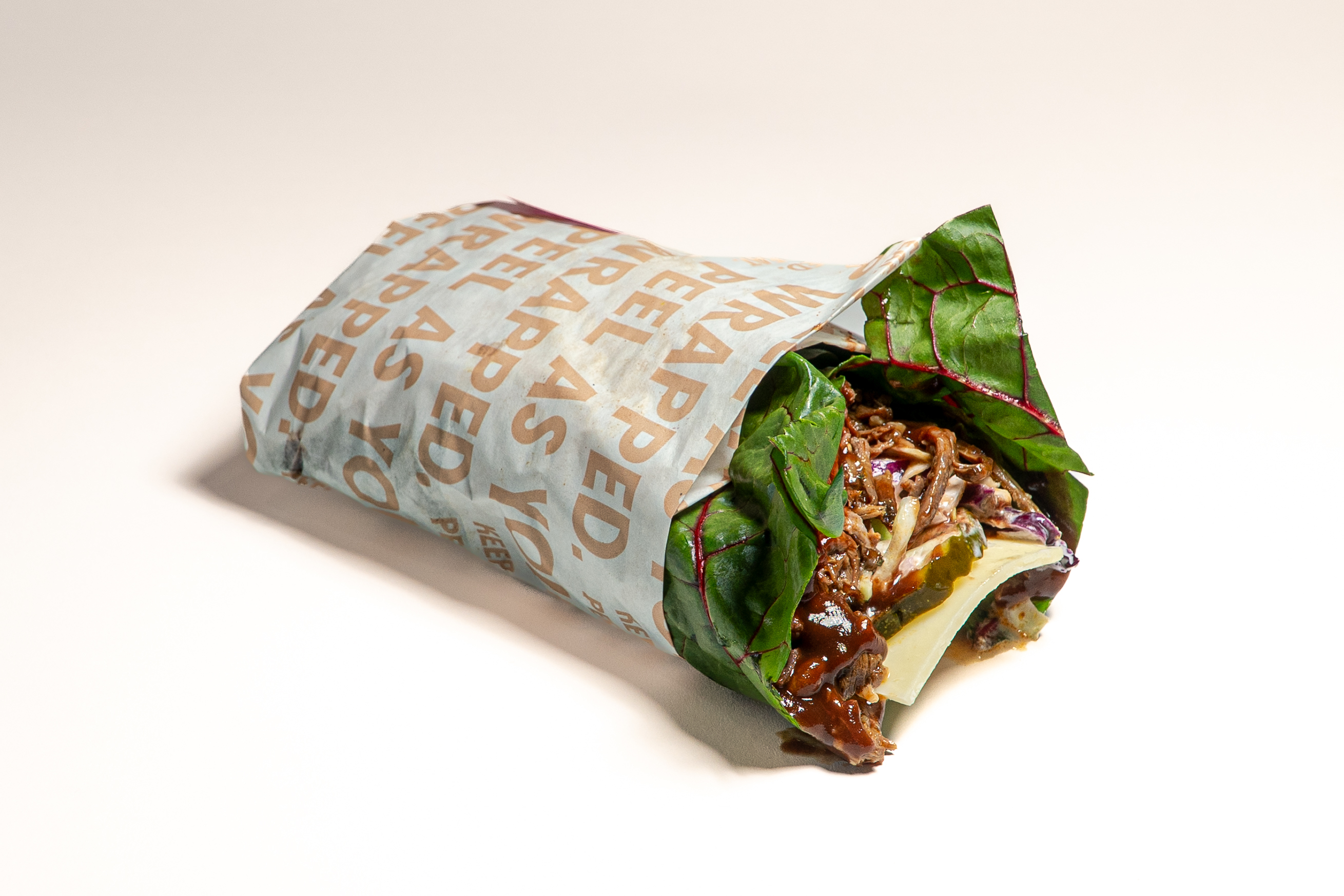
When you do not have time to prep even simple lunches, this comparison shows how Breadless stacks up against other quick-service choices. Notice how Breadless offers strong protein with fewer calories and net carbs.
|
Restaurant/Product |
Calories |
Protein (g) |
Net Carbs (g) |
|
Breadless Jerk Chicken & Mango |
280 |
28 |
13 |
|
Sweetgreen Harvest Bowl |
705 |
34 |
55 |
|
Cava Greens & Grains Bowl |
677 |
33 |
36 |
|
Saladworks Chicken Caesar |
390 |
32 |
23 |
11. Ground Turkey Sweet Potato Skillet (35g protein, 9 minutes)
Sauté 6 oz ground turkey with diced sweet potato, spinach, and seasonings. This one-pan meal combines lean protein and complex carbs for steady afternoon energy.
- Calories: 420
- Protein: 35g
- Carbs: 25g
- Net Carbs: 20g
- Fiber: 5g
Hack: Pre-dice sweet potatoes on Sunday and quickly reheat the cooked skillet at work.
12. Chicken Fajita Bowl (37g protein, 7 minutes)
Chicken Fajita Wraps feature sheet-pan fajita filling with charro beans, are gluten- and dairy-free, and are designed for meal prep. Serve the filling over cauliflower rice for fewer carbs.
- Calories: 380
- Protein: 37g
- Carbs: 18g
- Net Carbs: 12g
- Fiber: 6g
Hack: Batch cook fajita vegetables on Sunday and reheat with pre-cooked chicken.
13. Tuna Cucumber Boats (38g protein, 6 minutes)
Tuna Cucumber Boats offer 38g protein in 328 calories as a cold, low-carb portable lunch, using high-protein tuna salad scooped into hollowed cucumber halves to replace bread.
- Calories: 328
- Protein: 38g
- Carbs: 8g
- Net Carbs: 5g
- Fiber: 3g
Hack: Hollow cucumbers with a spoon and fill it with Greek yogurt tuna salad.
14. Lentil Chicken Power Bowl (32g protein, 8 minutes)
A bowl of white beans or lentils with leftover chicken, dressed in olive oil and vinegar and seasoned with nutritional yeast for umami, creates a portable high-protein lunch.
- Calories: 410
- Protein: 32g
- Carbs: 35g
- Net Carbs: 20g
- Fiber: 15g
Hack: Use canned lentils, add rotisserie chicken, and sprinkle hemp hearts for extra protein.
15. Sausage Broccoli Salad (31g protein, 9 minutes)
Sliced precooked sausage seared, cooled, and marinated with roasted broccoli, lemon juice, and olive oil creates a portable high-protein lunch that travels well cold.
- Calories: 450
- Protein: 31g
- Carbs: 12g
- Net Carbs: 7g
- Fiber: 5g
Hack: Use pre-cooked chicken sausage and steam broccoli in the microwave for three minutes.
5 Quick Hot Lunches for the Office Microwave
16. Egg Muffins (32g protein, 8 minutes)
Egg muffins or frittata slices made once weekly with eggs, cheese, leftover vegetables or meat, baked on a sheet pan, provide portable high-protein lunches throughout the week.
- Calories: 380
- Protein: 32g
- Carbs: 6g
- Net Carbs: 4g
- Fiber: 2g
Hack: Bake 12 muffins on Sunday, reheat 2–3 for lunch, and add salsa for extra flavor.
17. Chicken Pesto Sliders (35g protein, 7 minutes)
Use portobello mushroom caps as buns with grilled chicken, pesto, and mozzarella. Microwave for 90 seconds so the cheese melts and the mushrooms warm through.
- Calories: 420
- Protein: 35g
- Carbs: 8g
- Net Carbs: 5g
- Fiber: 3g
Hack: Pre-grill chicken and mushrooms, then assemble and heat at work.
18. Philly Cheesesteak Bowl (33g protein, 8 minutes)
Philly Cheesesteak Bowls are low-carb, featuring steak, mushrooms, bell peppers, and homemade cheese sauce for high-protein meal prep.
- Calories: 440
- Protein: 33g
- Carbs: 12g
- Net Carbs: 8g
- Fiber: 4g
Hack: Use pre-cooked steak strips and sauté vegetables in batches for the week.
19. Turkey Meatball Marinara (36g protein, 9 minutes)
Combine frozen turkey meatballs with marinara sauce and serve over zucchini noodles. This bowl delivers high protein and extra vegetables for steady energy.
- Calories: 390
- Protein: 36g
- Carbs: 15g
- Net Carbs: 10g
- Fiber: 5g
Hack: Use pre-spiralized zucchini and microwave meatballs with sauce for three minutes.
20. Loaded Cauliflower Mash (30g protein, 10 minutes)
Top the cauliflower mash with bacon bits, cheese, Greek yogurt, and chives. This comfort food-style lunch delivers protein without a heavy carb crash.
- Calories: 350
- Protein: 30g
- Carbs: 12g
- Net Carbs: 7g
- Fiber: 5g
Hack: Use frozen cauliflower rice, steam, then mash with Greek yogurt for creaminess.
Why Supergreen Wraps Keep You Alert All Afternoon
You have seen supergreens appear throughout these recipes, and they play a key role in avoiding the 2:30 PM crash. Low GI foods like leafy greens (GI under 15) paired with proteins, healthy fats, and fiber slow digestion and reduce overall glycemic impact. They trigger a different metabolic response than refined carbs and help release energy steadily over the three to four hours between meals.
Unlike traditional bread wraps, supergreen vessels like Swiss chard and collard greens score a maximum 1,000 on the Aggregate Nutrient Density Index (ANDI). They turn your wrap from a source of empty calories into functional nutrition that supports focus.
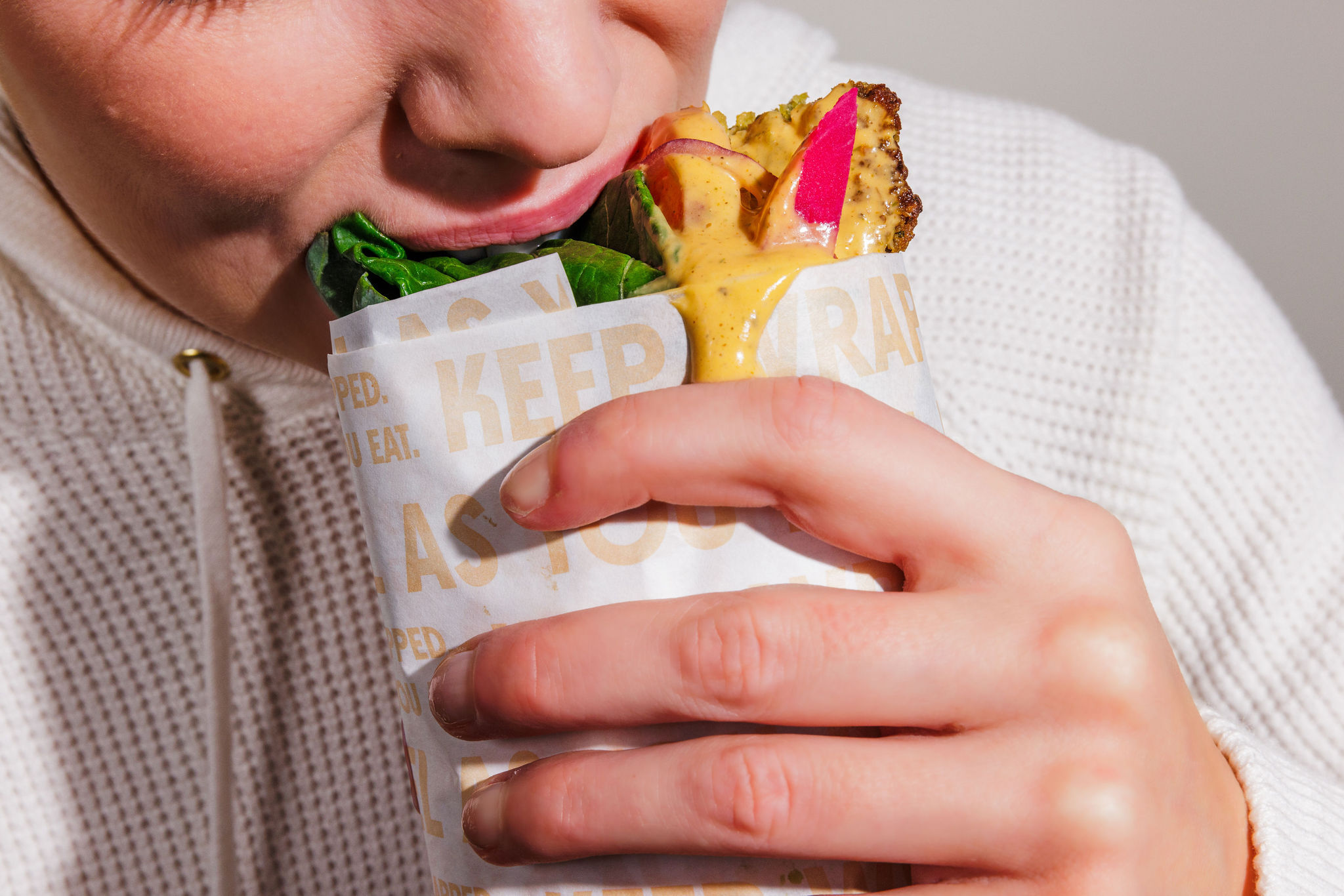
Breadless co-founder Marc Howland felt this difference during 80–100 hour weeks in investment banking. He needed food that would not leave him “bloated and tired, with his head on the desk at 2:00 PM.” Breadless Director of Operations Brian Miller, a Type 1 diabetic, saw his blood sugar drop about 100 points after eating Breadless daily. Breadless supergreen sandwiches deliver high protein, stay naturally gluten-free, and bring chef-crafted flavor without extra prep or a crash.
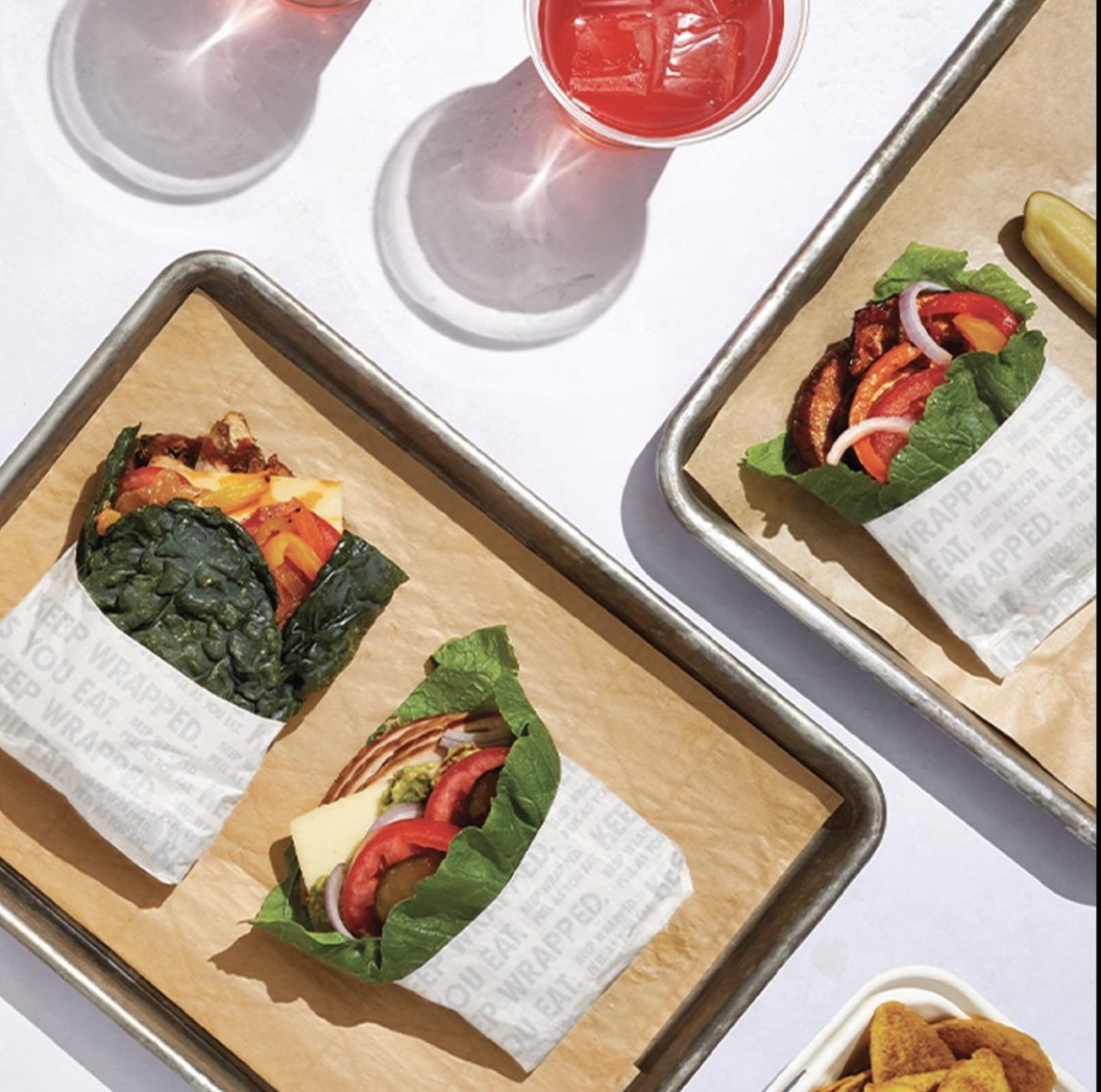
5-Day High-Protein Lunch Plan for the Workweek
Once you know your favorite recipes, a simple weekly plan makes them easy to use. Spreading protein across 4–5 meals with 30–40g per meal, spaced 3–5 hours apart, supports muscle protein synthesis and steady energy, with a 5–10% advantage over three meals for muscle growth.
- Monday: Tuna Avocado Salad (35g protein) plus a side of mixed nuts
- Tuesday: Breadless Jerk Chicken Wrap (28g protein) plus Greek yogurt
- Wednesday: Dill Pickle Chicken Salad (41g protein) in lettuce cups
- Thursday: Protein Snack Pack (34g protein) with an extra hard-boiled egg
- Friday: Buffalo Chicken Lettuce Wraps (36g protein) plus a cheese stick
This plan averages about 35g of protein per lunch and supports sustained energy and muscle health throughout a demanding workweek. Start your plan with a Breadless day or two and notice how your afternoons feel.
Meal Prep Hacks That Keep Lunch Simple
Consistent Sunday prep sets you up for high-protein lunches all week. Batch cook or buy rotisserie chicken, hard-boil a dozen eggs, and portion proteins into containers. Layer mason jar salads with dressing on the bottom, proteins in the middle, and greens on top so they stay crisp.
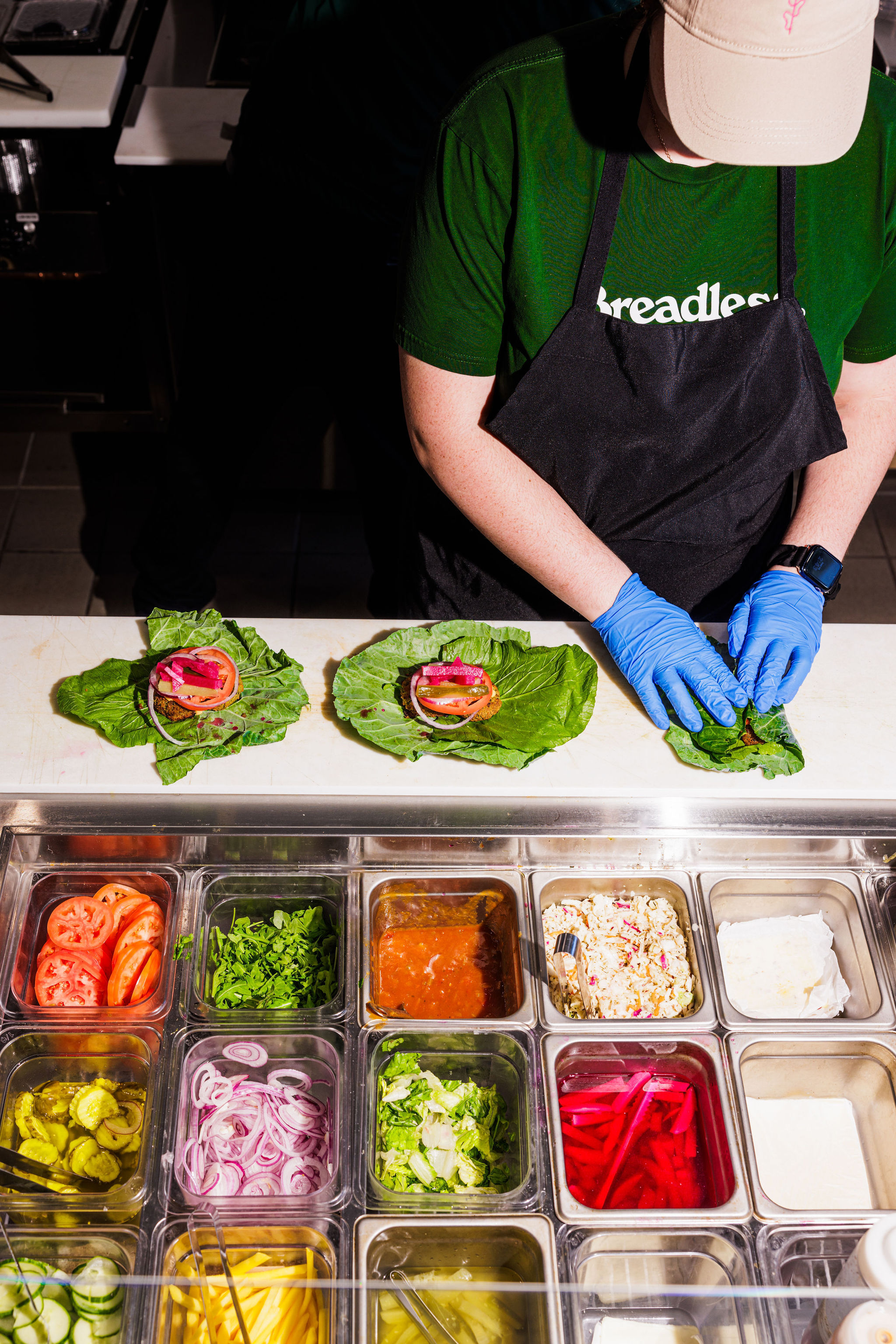
Pre-cut vegetables and portion nuts into small containers for grab-and-go sides. For zero-prep days when life gets hectic, Breadless locations offer chef-crafted supergreen wraps with comparable protein to these recipes, naturally gluten-free, and designed to keep you sharp through the afternoon. Many professionals use Breadless two or three times per week as a reliable high-protein backup.
Frequently Asked Questions
What is the fastest high-protein lunch for work?
The fastest options are cottage cheese veggie packs (2 minutes, 34g protein), turkey roll-ups (3 minutes, 32g protein), and Greek yogurt chicken salad (4 minutes, 38g protein). For true zero prep, Breadless supergreen wraps provide high protein with chef-crafted flavors ready to eat.
What are good high-protein cold lunches for desk eating?
Cold lunches that work well at your desk include tuna cucumber boats (38g protein), dill pickle chicken salad (41g protein), buffalo chicken lettuce wraps (36g protein), and protein snack packs (34g protein). They do not need heating and can be eaten with minimal utensils or even one-handed.
Which high-protein lunches work for diabetics and GLP-1 users?
Low-glycemic options with at least 30g of protein include egg salad, supergreen wraps, smoked salmon bowls, and lentil chicken power bowls. These meals support steady blood sugar and high satiety in smaller portions, which suits reduced appetite from GLP-1 medications while still protecting muscle mass.
What are Breadless nutrition facts?
Breadless Jerk Chicken & Mango wrap contains 280 calories, 28g protein, 11g fat, 16g carbs, 3g fiber, and 13g net carbs. The supergreen vessel scores 1,000 on the ANDI scale for maximum nutrient density and stays naturally gluten-free. Key menu items are Whole30 Approved®.
Does Breadless offer catering for offices?
Yes. Breadless catering brings feel-good fuel to corporate lunches, team meetings, and company events. The entire menu is 100% gluten-free with options for vegan, vegetarian, and meat-loving guests. You can be the office hero who introduces lunch that powers afternoon productivity instead of causing crashes.
Fuel Your Ambition with High-Protein Lunches That Work
These 20 high-protein lunch ideas show that you can have convenience and strong nutrition at the same time. From 2-minute cottage cheese packs to 10-minute meal prep bowls, each option delivers at least 30g protein with low-glycemic ingredients that support steady energy and clear thinking.
Preparation and smart backups make the difference. Breadless has become a go-to choice for high-performance professionals who refuse to compromise on nutrition or taste. With multiple locations and Whole30 Approved® menu items, it offers portable fuel that fits demanding schedules. Start with Breadless today and let your afternoons reflect the change.