7 Best Anti-Inflammatory Salad Bar Foods
Written by: Marc Howland, Co-Founder and CEO, Breadless
Key Takeaways
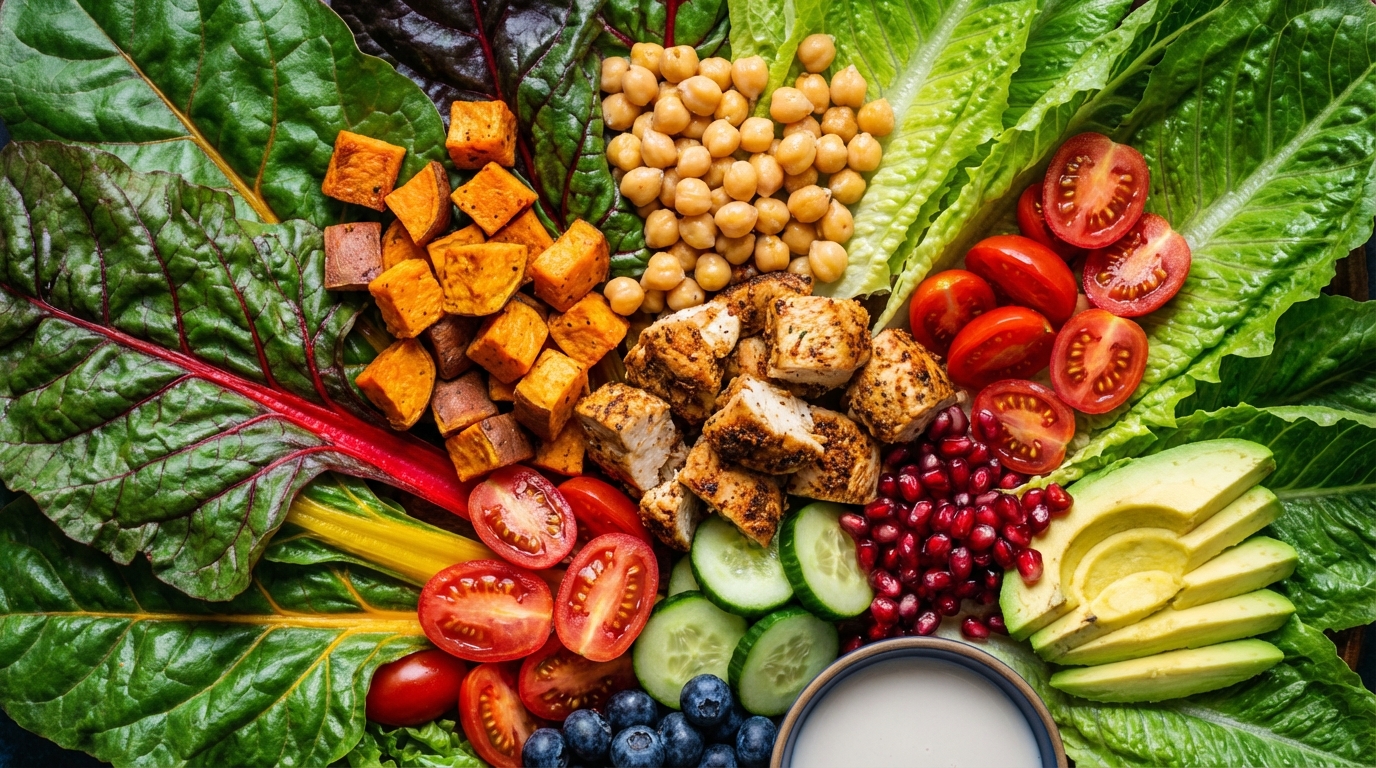
- Build anti-inflammatory salads starting with dark leafy greens like Swiss chard, spinach, or collards for maximum nutrient density and oxidative stress reduction.
- Incorporate colorful vegetables such as tomatoes, bell peppers, and beets to boost carotenoids and lycopene that lower inflammatory markers.
- Add healthy fats from avocados, nuts, and seeds to enhance nutrient absorption and support gut health while promoting satiety.
- Choose omega-3-rich proteins like salmon or sardines, or lean plant options like lentils, to fight inflammation and maintain steady energy.
- Finish with olive oil-based dressings and aromatics; for convenient anti-inflammatory meals on the go, find a Breadless location near you.
1. Dark Leafy Greens: Your Anti-Inflammatory Foundation
Swiss chard, collard greens, and spinach create the strongest base for an inflammation-fighting salad. These supergreens contain concentrated vitamins A, C, K, and polyphenols that actively counter oxidative stress and inflammation. Swiss chard and collard greens reach the maximum 1,000 score on the Aggregate Nutrient Density Index (ANDI). Iceberg lettuce sits near zero on that same scale.
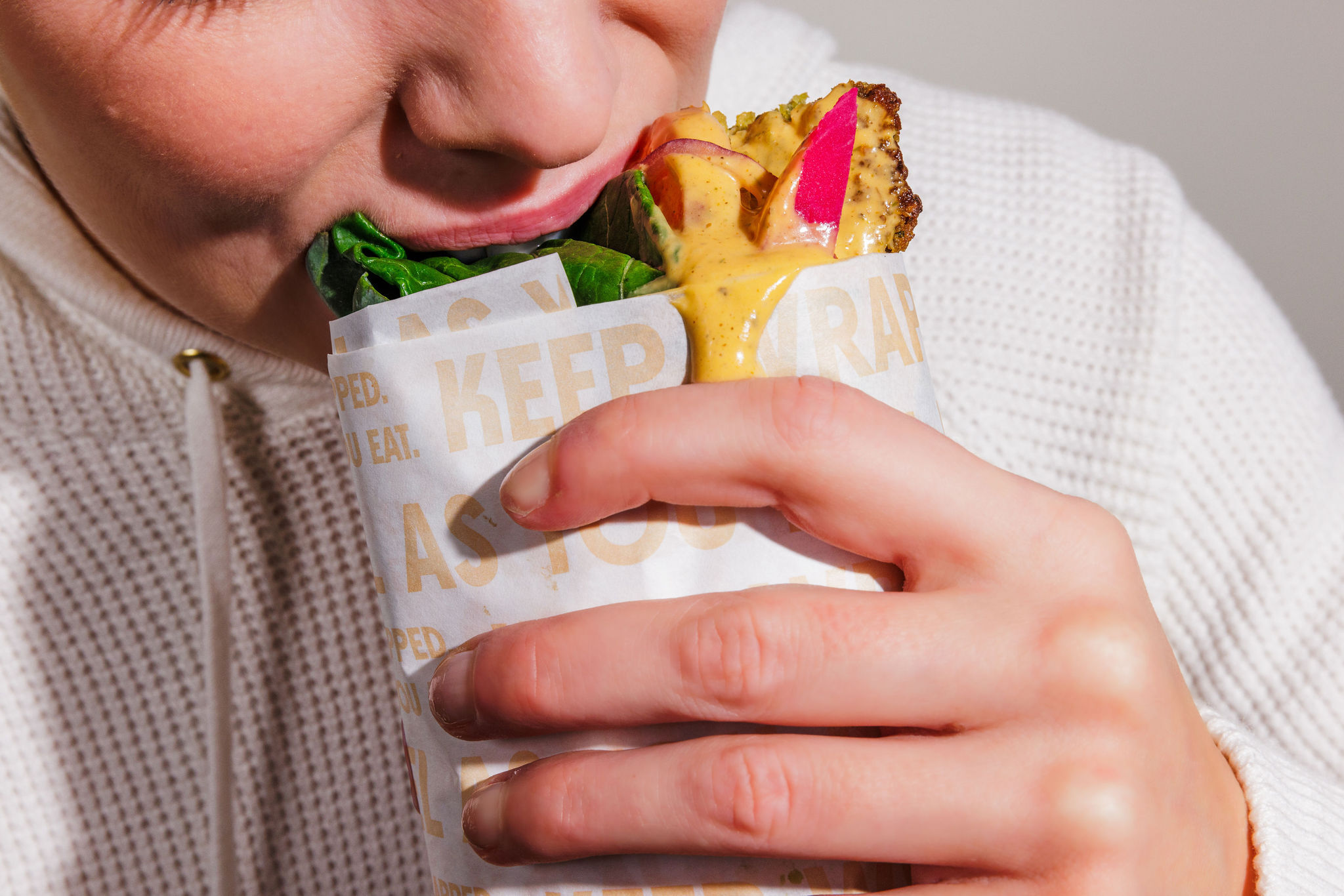
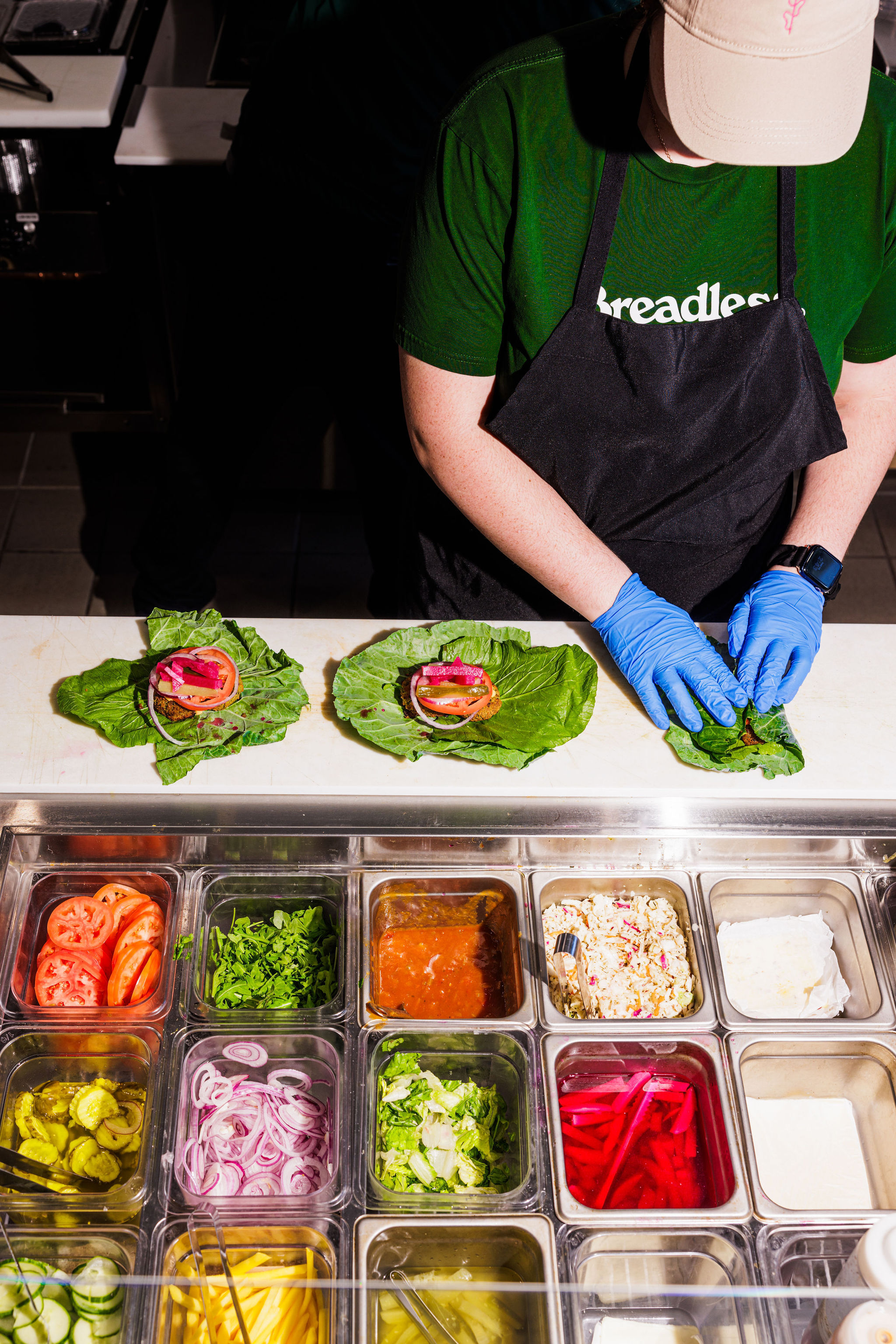
At salad bars, fill your bowl with these nutrient powerhouses instead of lighter, low-nutrient greens. Aim for 2 to 3 cups to create a 300 to 500-calorie foundation that supports steady energy and stable blood sugar. Breadless applies this research by using Swiss chard as a sturdy wrap, so you get the full nutrient profile of a premium salad in a portable format that does not require utensils.
2. Colorful Vegetables: Nature’s Anti-Inflammatory Pharmacy
Tomatoes, carrots, bell peppers, and beets supply carotenoids and lycopene that help reduce inflammatory markers. Their bright colors signal powerful phytochemicals that support your cells and calm inflammation. These vegetables add both visual appeal and measurable health benefits.
When you build your salad, choose at least three different colors to increase antioxidant variety. Raw red peppers deliver vitamin C, while roasted sweet potatoes bring beta-carotene and a satisfying texture. Skip vegetables coated in creamy sauces or heavy oils, since those extras can cancel out their anti-inflammatory edge. Aim for 1 to 2 cups of colorful vegetables on top of your leafy green base.
Ready for some feel-good fuel? Find a Breadless location near you.
3. Healthy Fats: The Anti-Inflammatory Accelerators
Avocados, nuts, and seeds supply monounsaturated fats that help you absorb fat-soluble nutrients and add their own anti-inflammatory benefits. Walnuts, flaxseeds, and other nuts support gut health and reduce chronic inflammation by protecting the gut barrier. These fats also keep you full longer, which reduces the urge for processed, sugary snacks later.
At salad bars, add one quarter cup of mixed nuts, two tablespoons of seeds such as chia, flax, or sunflower, or half an avocado. These portions usually provide 150 to 200 calories of functional fats that turn a light salad into a complete meal. Avoid candied nuts or sugar-coated seeds, since added sugars can trigger inflammatory responses.
4. Omega-3 Rich Proteins: The Inflammation Fighters
Fatty fish, sardines, and salmon supply EPA and DHA omega-3 fatty acids that reduce pain intensity and inflammatory markers when intake reaches 1.5 to 2 grams per day. Randomized controlled trials show that omega-3 sources lower inflammatory cytokines and support an anti-inflammatory diet.
Choose grilled salmon, canned sardines, or tuna instead of breaded or fried fish. A 4 to 6 ounce serving usually delivers 25 to 35 grams of high-quality protein plus meaningful omega-3 levels. If fish is not available, pick grilled chicken or turkey, and then add omega-3-rich seeds to keep the anti-inflammatory balance of your meal.
|
Restaurant |
Calories |
Protein (g) |
Net Carbs (g) |
|
Breadless Jerk Chicken |
280 |
28 |
13 |
|
Sweetgreen Harvest Bowl |
705 |
34 |
55 |
|
Cava Greens & Grains |
677 |
33 |
36 |
|
Saladworks Caesar |
390 |
32 |
23 |

5. Lean Plant Proteins: Sustainable Anti-Inflammatory Power
Lentils, chickpeas, and hemp seeds offer plant-based protein plus fiber and phytonutrients that support anti-inflammatory pathways. Legumes act as prebiotics that feed beneficial gut bacteria and help prevent inflammation linked to gut lining breakdown. These options also support people who want to reduce animal protein without losing nutrition.
Add one half cup of cooked legumes to increase protein by 8 to 15 grams while adding minerals like magnesium and potassium. Hemp seeds provide a complete amino acid profile and omega-3s in a simple two-tablespoon serving. Skip heavily seasoned or oily preparations that pile on extra calories and sodium.
Ready for some feel-good fuel? Find a Breadless location near you.
6. Flavor Boosters: Anti-Inflammatory Aromatics
Garlic, onions, ginger, and fresh herbs bring sulfur compounds and aromatic oils with strong anti-inflammatory effects. Garlic and onions contain sulfur compounds that show anti-inflammatory activity when eaten raw or lightly cooked. These ingredients turn a plain salad into a flavorful meal without relying on sugary dressings or processed toppings.
Add minced raw garlic, thin slices of red onion, fresh ginger, cilantro, parsley, or basil for both flavor and function. You only need small amounts, such as 1 to 2 cloves of garlic or one quarter cup of fresh herbs, to see benefits. Fresh herbs also add extra antioxidants and can replace salt-heavy seasonings.
7. Optimal Dressings: The Make-or-Break Decision
Extra-virgin olive oil and vinegar-based dressings work best for an anti-inflammatory salad. Oleocanthal in extra-virgin olive oil mimics some of the anti-inflammatory effects of ibuprofen. Monounsaturated fats from olive oil also outperform creamy dressings for lowering inflammation.
Mix a simple vinaigrette with two tablespoons of olive oil, one tablespoon of apple cider or balsamic vinegar, and your favorite herbs and spices. Creamy dressings high in saturated fat and sugar tend to promote inflammation. Lemon and tahini pair well and add omega-3s from tahini while keeping the anti-inflammatory focus. Keep portions to 2 to 3 tablespoons to manage calories and still support nutrient absorption.
FAQ: Anti-Inflammatory Eating at Salad Bars & Beyond
Which salads are most anti-inflammatory?
The most anti-inflammatory salads start with dark leafy greens such as Swiss chard, spinach, or collards. They layer in colorful vegetables, omega-3-rich proteins like salmon, healthy fats from avocado or nuts, and olive oil-based dressings. Mediterranean-style combinations show some of the strongest anti-inflammatory results in clinical research.
Is salad good for an anti-inflammatory diet?
Salads support an anti-inflammatory diet when you build them with nutrient-dense, whole ingredients. Many salad bar options include creamy dressings, processed meats, or refined carbohydrates that can undermine those benefits. Focus on whole foods and skip highly processed add-ons to keep your salad working for you.
What is the best salad dressing for inflammation?
Extra-virgin olive oil with vinegar forms the most reliable anti-inflammatory dressing base. Oleocanthal in quality olive oil offers ibuprofen-like anti-inflammatory activity, and vinegar can help with blood sugar control. Avoid creamy dressings that rely on inflammatory dairy fats and added sugars.
What snacks are good for an anti-inflammatory diet?
Strong anti-inflammatory snack choices include mixed nuts, berries, avocado with vegetables, and fatty fish. Portable options such as Breadless supergreen wraps deliver complete anti-inflammatory nutrition in a handheld format, combining nutrient-dense greens with clean proteins and healthy fats.
How does Breadless compare for portability and anti-inflammatory benefits?
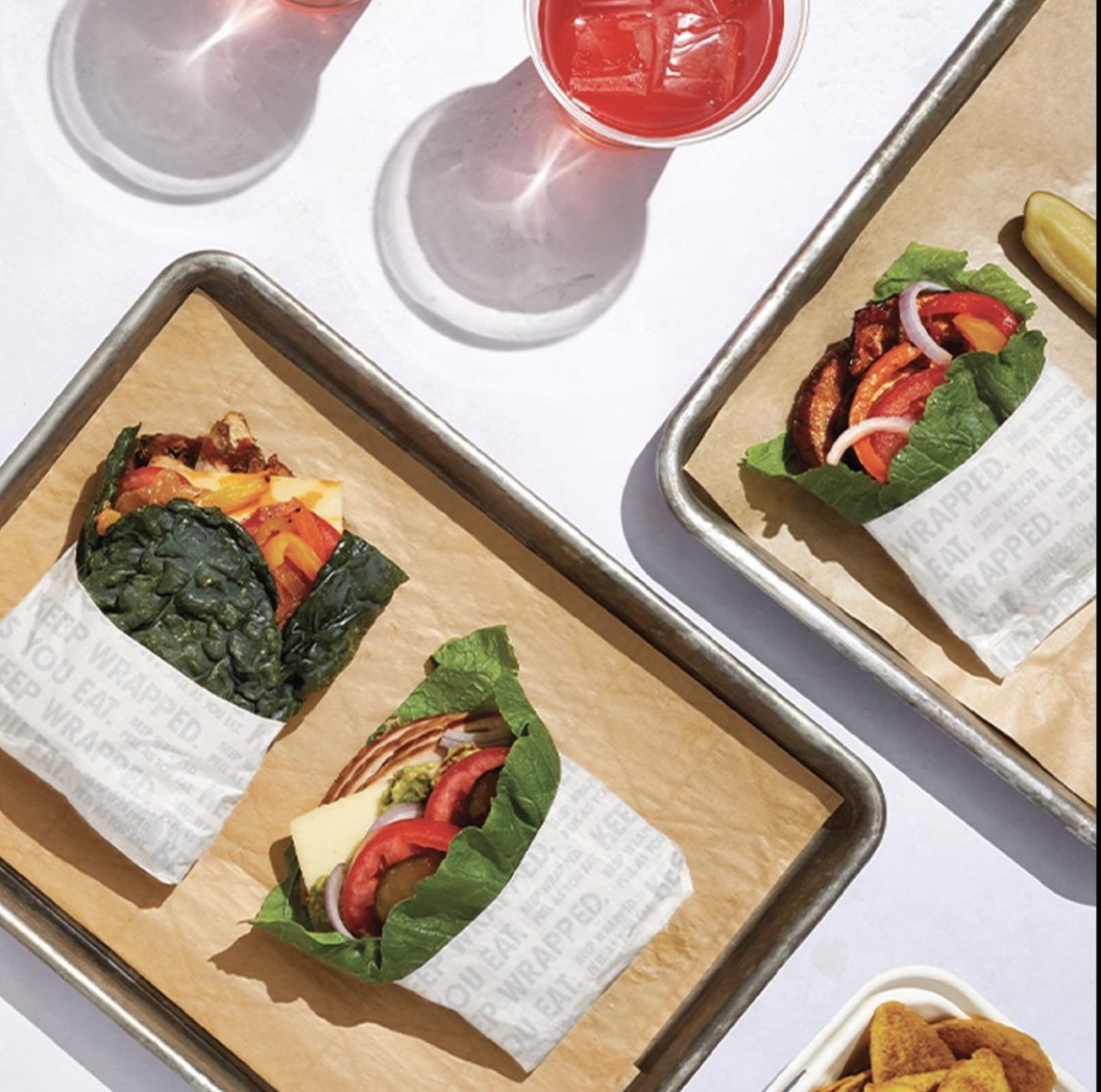
Breadless offers the full macronutrient profile of an anti-inflammatory salad in a one-handed, portable wrap. Swiss chard wraps with an ANDI score of 1,000 replace bread and remove 150 to 220 empty calories. This approach keeps nutrient density high and solves the common problem of salads that require utensils and a seated meal.
Your Anti-Inflammatory Action Plan
Building inflammation-fighting meals at salad bars becomes easier with a clear checklist. Start with nutrient-dense dark leafy greens, then add at least three colorful vegetables. Include healthy fats from nuts or avocado, choose omega-3 rich proteins, and layer in plant proteins. Finish with fresh aromatics and an olive oil-based dressing. This method creates 300 to 500-calorie meals that support steady energy and reduce common inflammatory triggers.
Busy professionals, athletes, and parents can apply the same framework on the go with Breadless wraps and bowls. Whole30-approved ingredients, 28 grams of protein, and only 13 grams of net carbs provide chef-crafted, anti-inflammatory nutrition that fits a fast-casual schedule. You get convenience, flavor, and science-backed ingredients in every meal.
Ready for some feel-good fuel? Find a Breadless location near you.