Wedding Event Catering: Gluten-Free Menus for 2026

Written by: Marc Howland, Co-Founder and CEO, Breadless | Last updated: June 27, 2026
Key Takeaways for 2026 Wedding Catering
- Wedding catering for 50–150 guests in 2026 must balance rising costs, dietary restrictions, and steady guest energy through multi-hour receptions.
- Traditional carb-heavy meals cause post-meal blood-sugar crashes that leave guests sluggish, while Breadless uses nutrient-dense supergreens to support stable energy.
- A fully gluten-free menu by default removes cross-contamination risk for celiac and gluten-sensitive guests while still delivering bold, chef-crafted flavors everyone enjoys.
- Realistic per-person costs range from roughly $70–$185 depending on guest count and service style, with station-style service offering a strong mix of movement, portion control, and budget efficiency.
- For catering that keeps every guest energized without the afternoon slump, start planning your 2026 wedding menu with a nearby Breadless location.
The Problem: Heavy Wedding Meals Drain Guest Energy
Traditional wedding catering often centers on carbohydrate-heavy formats such as dinner rolls, pasta stations, sandwich platters, and bread-based wraps. These foods feel familiar and crowd-pleasing in the moment, yet processed carbohydrates cause a rapid spike in blood sugar followed by an equally rapid crash. Guests then feel sluggish precisely when the toasts begin, the first dances happen, and the dance floor opens.
This pattern affects the entire event. The post-lunch or post-dinner energy crash is a documented physiological response to high-glycemic meals. For a wedding reception that runs four to six hours, serving a carb-heavy meal in the first hour means guests fight fatigue for the rest of the evening. Couples invest thousands of dollars in photography, entertainment, and décor, then watch guests fade into their chairs by 7 PM.
Gluten-containing menus add another layer of risk for many guests. Celiac disease affects approximately 1 in 100 people worldwide, and a far larger share of guests follow gluten-free diets for sensitivity or preference reasons. Standard catering kitchens that handle bread, pasta, and flour-based items carry a real cross-contamination risk that most couples and planners are not prepared to manage.
How Supergreen-Based, Gluten-Free Catering Changes the Experience
Breadless replaces processed bread and flour-based wraps with nutrient-dense leafy supergreens, primarily Swiss chard, collard greens, and romaine, as the structural vessel for every sandwich. These greens score a maximum of 1,000 on the Aggregate Nutrient Density Index (ANDI), compared to near-zero scores for bread or iceberg lettuce. The wrap itself delivers micronutrients, fiber, and anti-inflammatory compounds instead of empty calories.
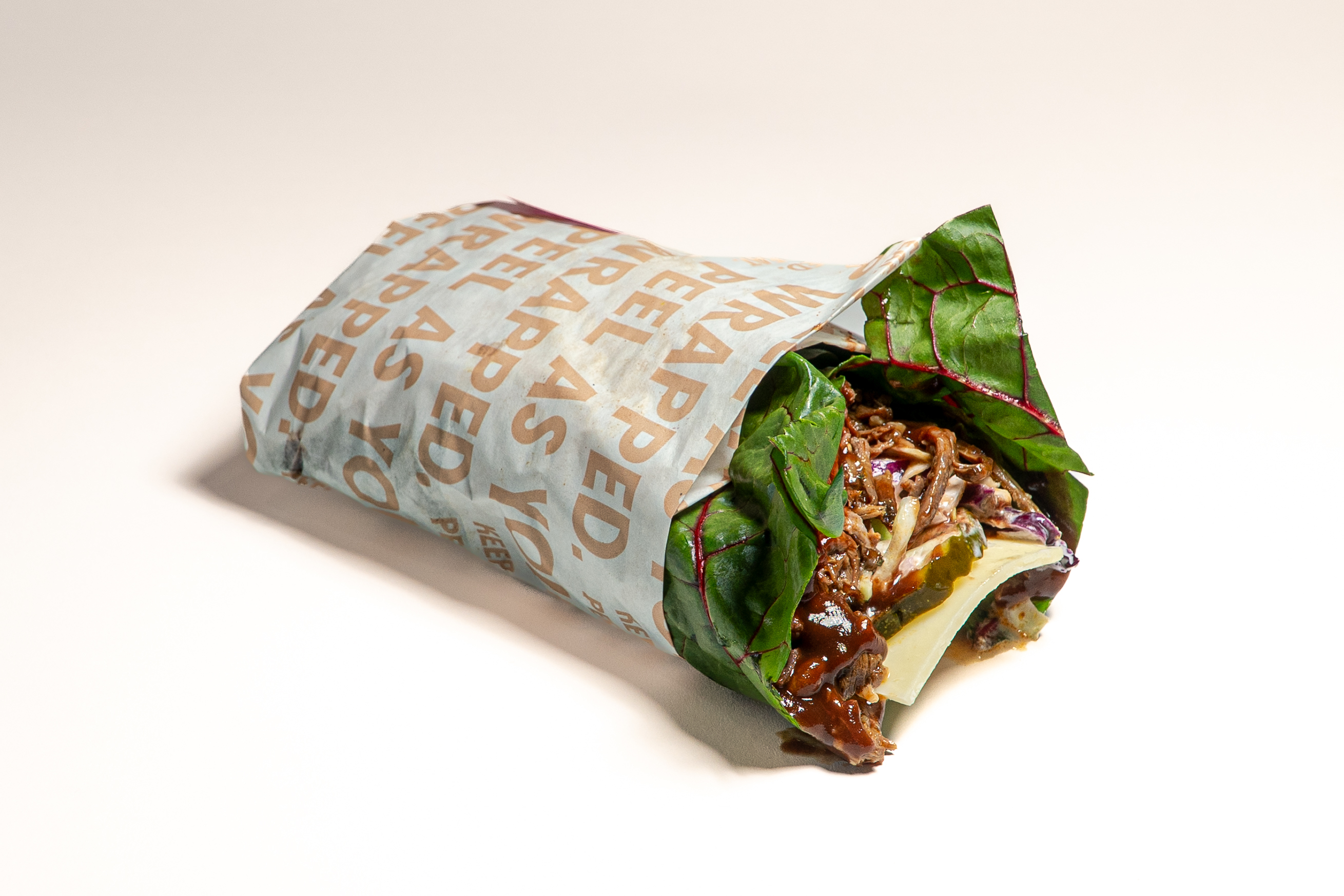
Every item on the Breadless menu is 100% gluten-free by design as the default, not as a special accommodation. Key menu items carry Whole30 Approved® certification, a globally recognized benchmark for clean-ingredient standards. For wedding catering, this approach means every guest at the table, including those with celiac disease, Type 1 or Type 2 diabetes, or gluten sensitivity, eats from the same menu without modification or added risk.
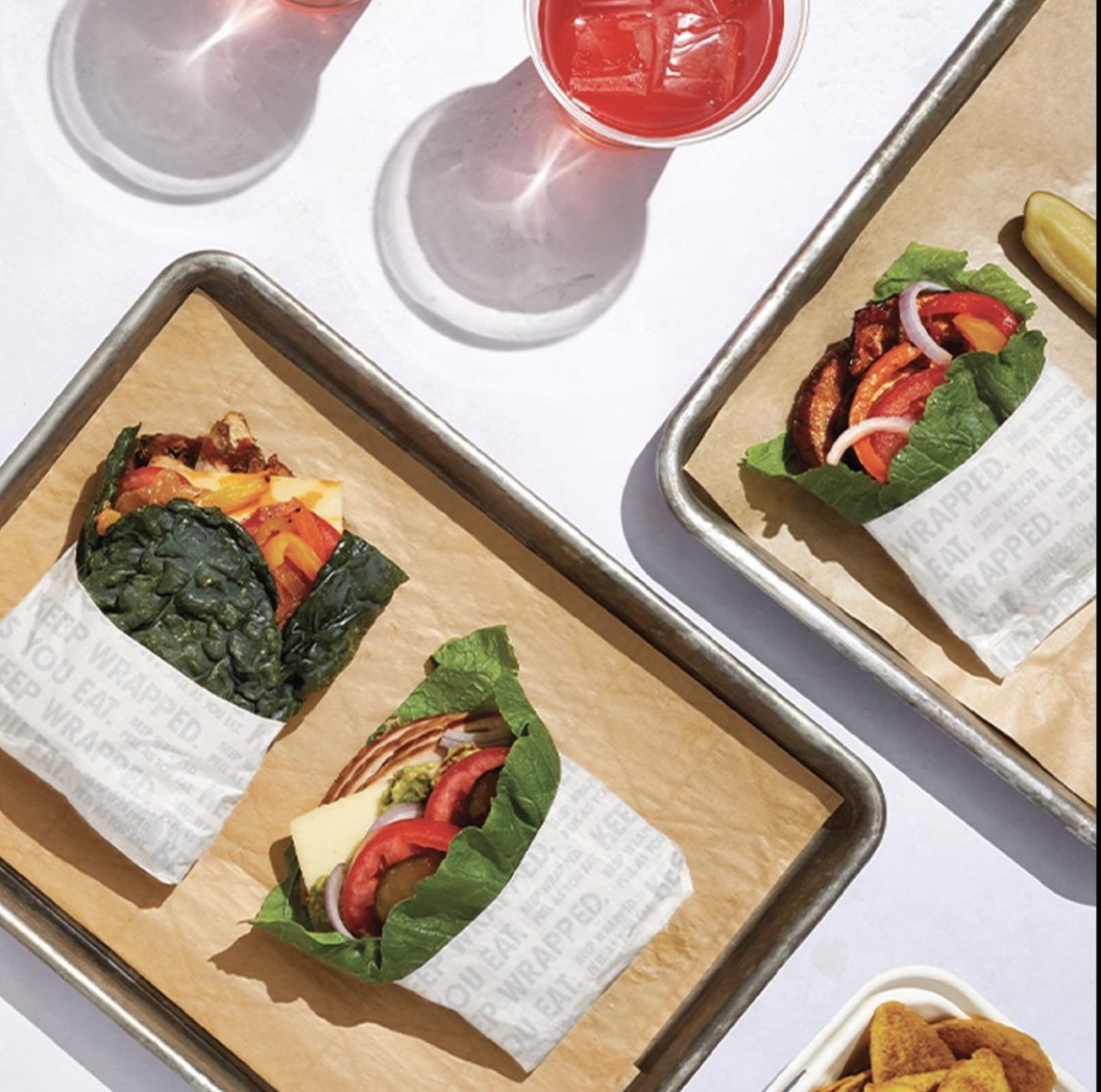
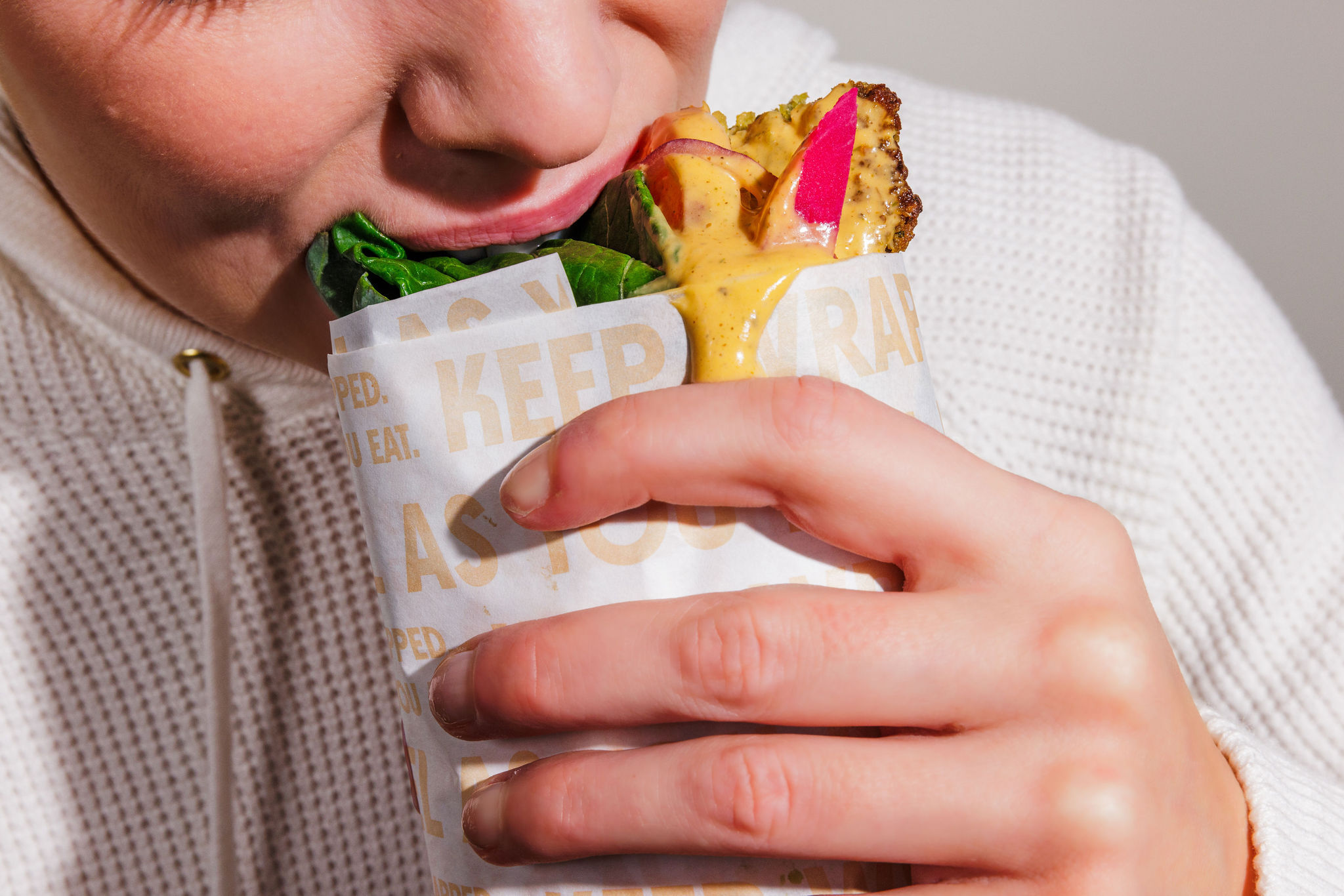
The format also fits reception logistics. Supergreen-wrapped sandwiches are one-handed and utensil-free, so guests can eat while standing, mingling, or moving between cocktail hour and the main reception space. Bowls and salads round out the menu for guests who prefer a seated format. Chef-crafted proteins such as oven-roasted jerk chicken, house-braised beef, and falafel bring bold, cross-cultural flavor profiles that satisfy a wide range of tastes.

Check catering availability at your nearest Breadless location for your 2026 wedding date.
2026 Per-Person Cost Ranges by Guest Count
Wedding catering costs in 2026 vary based on guest count, service style, geographic market, and menu complexity. As guest count rises, per-person food costs often decrease because of economies of scale, although staffing and logistics needs grow with larger events. The figures below represent realistic national average ranges for U.S. weddings and give couples a planning baseline before they speak with a specific caterer.
50 guests: Buffet service typically runs $70–$110 per person, putting total food costs between $3,500 and $5,500. For 50 guests, plated wedding dinner service ranges from $85–$150 per person. Food stations, which allow more variety and guest interaction, generally fall between buffet and plated pricing.
75 guests: As guest count increases to 75, the economies of scale mentioned above begin to appear. Buffet service often drops to roughly $65–$100 per person, while plated service ranges from about $80–$140. Station-style service typically falls $5–$10 below plated pricing and still maintains the variety and movement that many couples want.
100 guests: A 100-person wedding is common and allows catering operations to run more efficiently. Buffet service is often one of the more affordable options at this size. Plated service usually sits at the higher end of the range, while station-style service offers a middle ground that balances cost, variety, and guest flow.
150 guests: At this scale, per-person costs can drop further due to bulk purchasing and kitchen efficiency, yet these savings are partially offset by higher staffing and more complex logistics. Buffet service usually remains the most budget-friendly option. Wedding plated dinner catering averages $100–$185 per person nationally, a premium driven largely by the higher staff-to-guest ratio. Station-style service falls between buffet and plated, giving couples a balance of cost control and guest experience.
These ranges exclude alcohol, cake cutting fees, rental equipment, gratuity, and service charges, which can add 20–30% to the base catering invoice. Couples seeking a cost-effective approach for 100 guests often choose a hybrid model, such as station-style service for the main meal paired with a streamlined, single-concept menu that reduces kitchen complexity and waste.
Comparing Service Styles for Energy and Flow
Buffet: Guests serve themselves from shared stations, which creates natural movement and social interaction. Guests often overload their plates, which increases the likelihood of overconsumption and a later energy crash. Wait times at peak service can reach 10–20 minutes for larger guest counts, which can slow the event timeline.
Plated: Controlled portions arrive at the table and can limit overconsumption. Plated service requires more staff, raises per-person cost, and slows the transition from dinner to dancing. Guests remain seated longer, which reduces the overall movement and energy in the room.
Stations: Food stations offer a strong balance of guest movement, portion control, and variety. Guests return for what they want instead of loading a single plate, which naturally moderates intake. For a health-forward caterer like Breadless, the station format pairs well with one-handed, portable supergreen-wrapped sandwiches, so guests can eat while standing and socializing instead of staying anchored to a table.
Gluten-Free and Dietary-Restriction Safety at Scale
Managing dietary restrictions for 100 or more guests ranks among the most stressful logistical challenges in wedding catering. Standard catering operations handle gluten-containing ingredients throughout the kitchen, and cross-contamination remains a persistent risk even when caterers attempt to prepare separate gluten-free plates. For guests with celiac disease, even trace exposure can cause serious health consequences.
This default gluten-free approach at Breadless removes the separate preparation lines and shared-surface risks that traditional caterers face when they try to accommodate celiac guests. When the entire menu is gluten-free, there is no need for special utensils, separate pans, or guest self-identification. Couples can confirm gluten-free safety for every guest with a single decision instead of tracking individual accommodations.
The same foundation supports diabetic guests and those on GLP-1 medications. The low-glycemic base of leafy supergreens and clean proteins supports stable blood sugar instead of spiking it, which matters for guests managing Type 1 or Type 2 diabetes. Breadless’s Director of Operations, Brian Miller, a Type 1 diabetic, reported that his blood sugar dropped approximately 100 points after consistently eating Breadless, a change his physician noticed immediately.
Why Supergreen Wraps Outperform Traditional Sandwich Catering
The nutritional difference between traditional and supergreen-wrapped options explains why one supports steady energy while the other often leads to a crash. The table below shows how a Breadless supergreen wrap delivers comparable protein with fewer net carbs than a traditional flour-tortilla wrap. That lower carb count supports more stable blood sugar and sustained guest energy throughout your reception.
| Item | Calories | Protein (g) | Net Carbs (g) |
|---|---|---|---|
| Breadless Jerk Chicken & Mango (supergreen wrap) | 280 | 28 | 13 |
| Traditional Flour-Tortilla Chicken Wrap | higher | similar | higher |
The supergreen vessel reduces calories and net carbs per meal compared to a bread or flour-tortilla equivalent while maintaining comparable or superior protein content. Lower net carbohydrate content supports a slower, more sustained glucose release and reduces the risk of the blood sugar crash that can empty dance floors.
Frequently Asked Questions
What variables most affect the final cost of wedding catering?
The largest cost drivers are guest count, service style, protein selection, and geographic market. Plated service with premium proteins like beef or seafood at the top end of a major metro market will cost significantly more than a station-style menu built around chicken and plant-based options in a lower cost-of-living region. Additional variables include staffing ratios, rental equipment, gratuity, and whether the caterer charges a flat service fee or a percentage of the total food cost. Couples should request itemized quotes and clarify whether the per-person price includes setup, breakdown, and service staff.
How far in advance should we book catering for a 2026 wedding date?
For weddings in peak season, typically May through October, most caterers recommend securing a contract 9 to 12 months in advance. Popular dates in 2026 will fill quickly, especially for caterers with limited event capacity. For Breadless catering inquiries, contacting the nearest location as early as possible allows the team to confirm availability, discuss menu customization, and plan logistics for your specific guest count and venue setup.
How does a fully gluten-free caterer handle guests who do not have dietary restrictions?
A fully gluten-free menu can still feel abundant and flavorful. Breadless’s chef-crafted offerings, including oven-roasted jerk chicken, house-braised beef, falafel, and a range of bowls and salads, are designed to satisfy guests with no dietary restrictions as readily as those with celiac disease or gluten sensitivity. The absence of bread or flour-based items does not feel like a limitation when the flavors, textures, and variety of the menu stand on their own. Guests who have never considered gluten-free eating consistently report that Breadless food tastes bold and satisfying without any sense of compromise.
What is the cheapest way to feed 100 people at a wedding without sacrificing quality?
A station-style or buffet format with a focused, single-concept menu usually offers the most value for 100 guests. Reducing the number of protein options, eliminating redundant sides, and choosing a caterer whose menu is operationally efficient, with fewer ingredients and less kitchen complexity, all help lower per-person costs without lowering quality. A health-forward concept like Breadless, where the menu is already streamlined around supergreen vessels, bowls, and salads, is naturally efficient to execute at scale compared with a traditional multi-item catering spread.
Conclusion: Choose Catering That Fuels the Celebration
Wedding catering in 2026 can support budget predictability, dietary safety, and guest energy at the same time. The per-person cost ranges outlined above give couples and planners a realistic foundation for budgeting across 50 to 150 guests and three service styles. The more decisive factor is what the food does to guests once they eat it and how that effect shapes the rest of the night.
A reception powered by supergreen-wrapped, 100% gluten-free, high-protein food from Breadless keeps guests alert, mobile, and engaged from the first toast through the last dance. It removes cross-contamination anxiety for celiac and diabetic guests and delivers bold, chef-crafted flavor that satisfies every palate. It also fits within the same realistic budget ranges that traditional catering demands while avoiding the afternoon slump that can empty the dance floor.
Start planning your high-energy, gluten-safe wedding menu at a Breadless location near you.